
My Speech on Resilience and Agency
The Inheritance We Choose
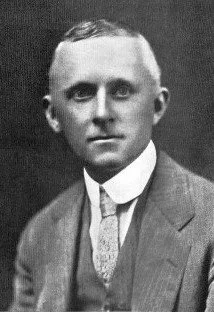
There's a photograph of a man I’ve never met, but I carry it anyway—of Sir George Peter Vernon Wills, the 3rd Baronet, my great-grandfather's elder brother, who didn't come home from the war.
He was twenty-three when he was killed in action in Italy, serving as a lieutenant in the Coldstream Guards. A boy, really, who went to Eton and Cambridge and never got to see what kind of man he might have become.
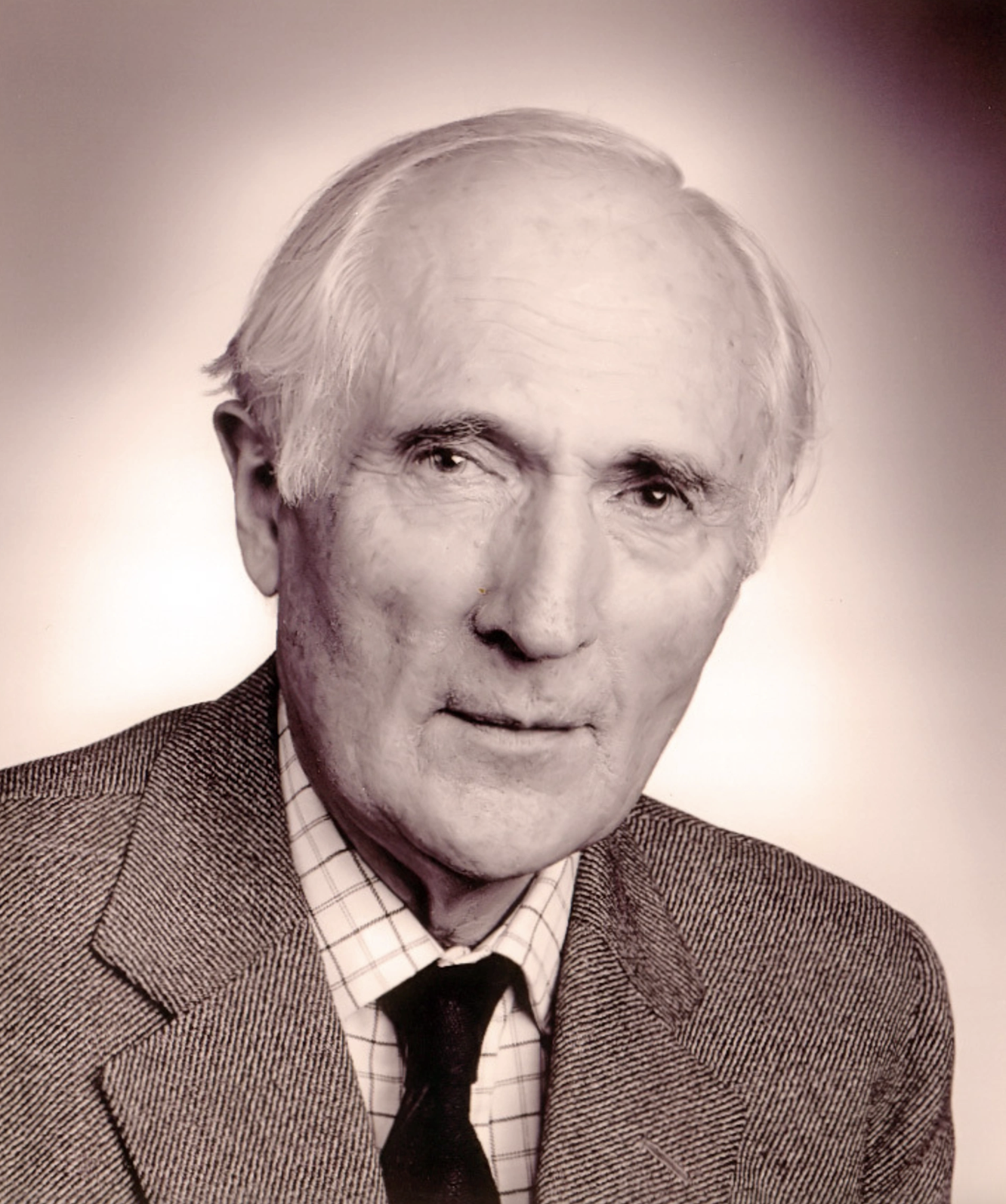
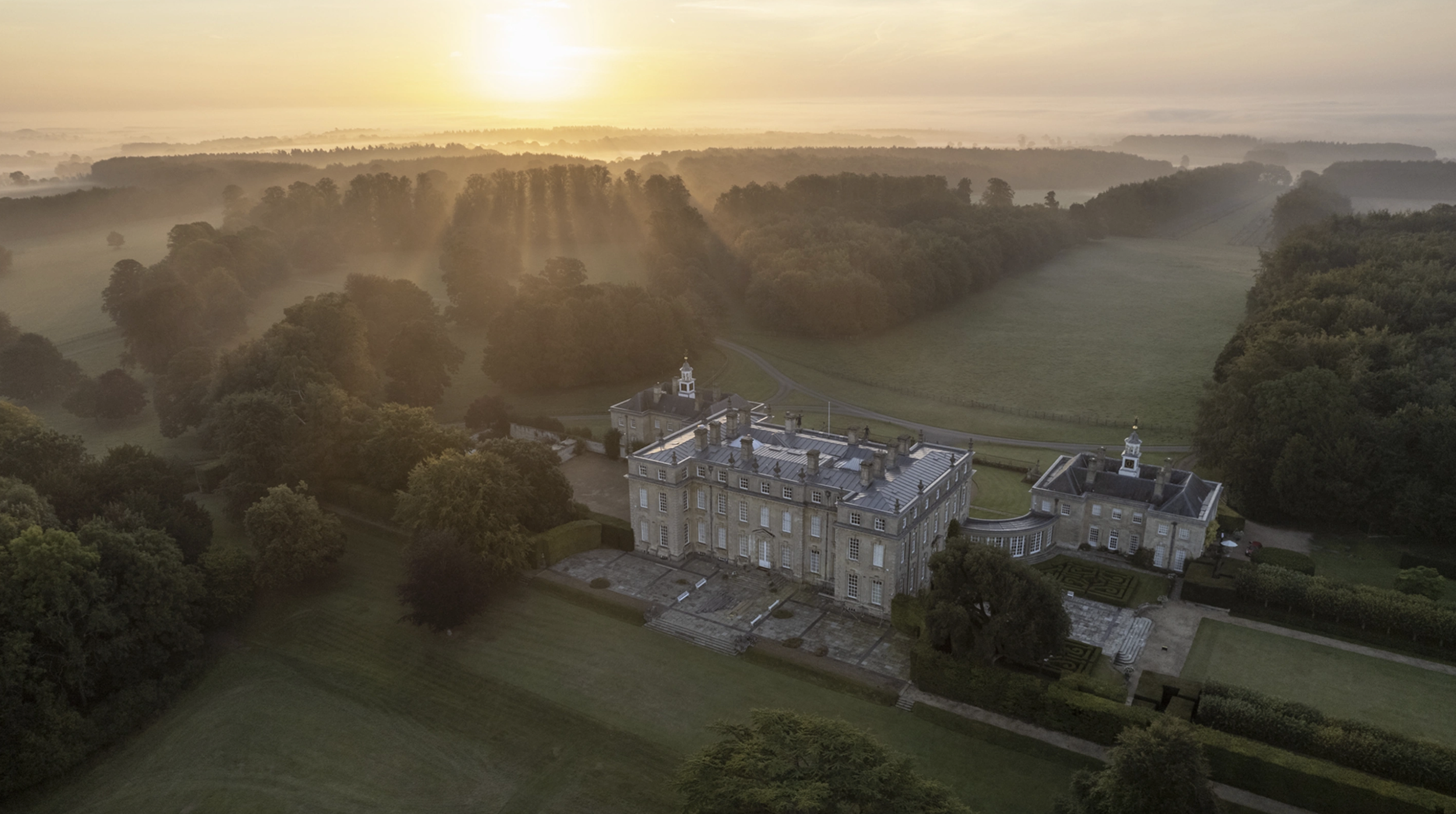

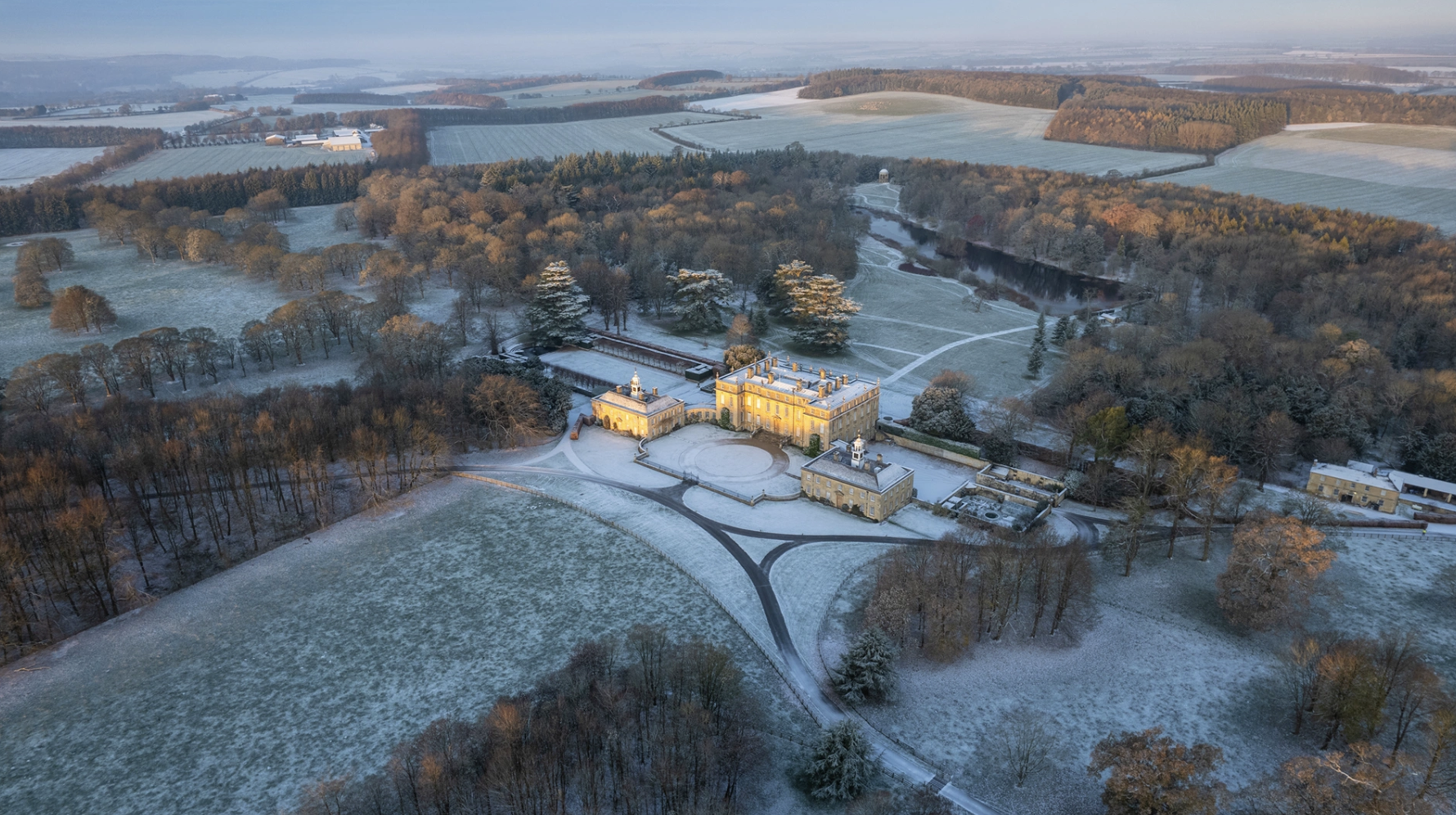
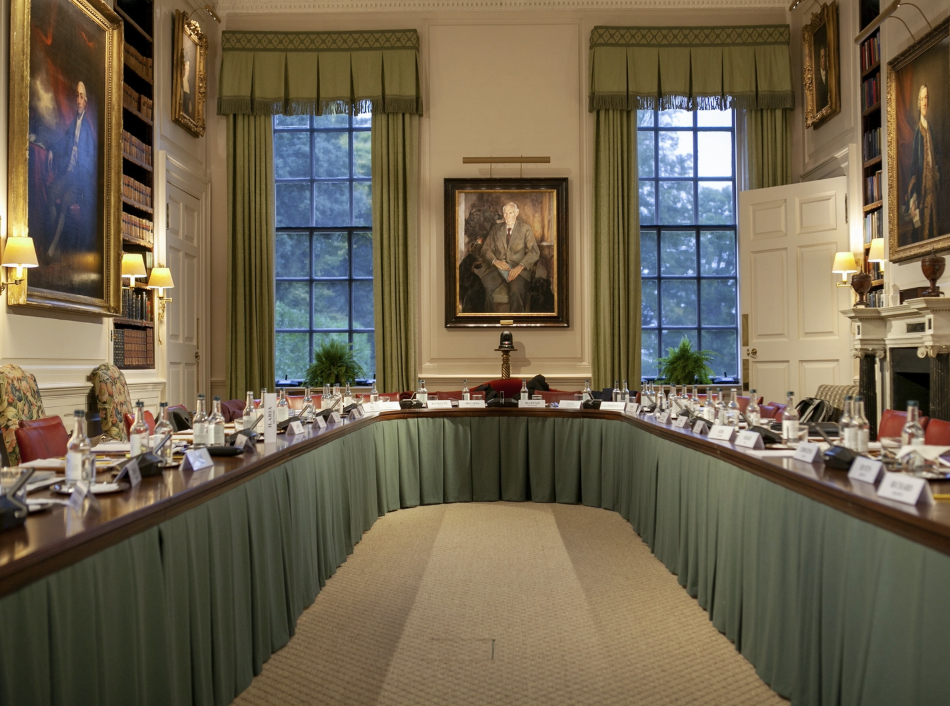
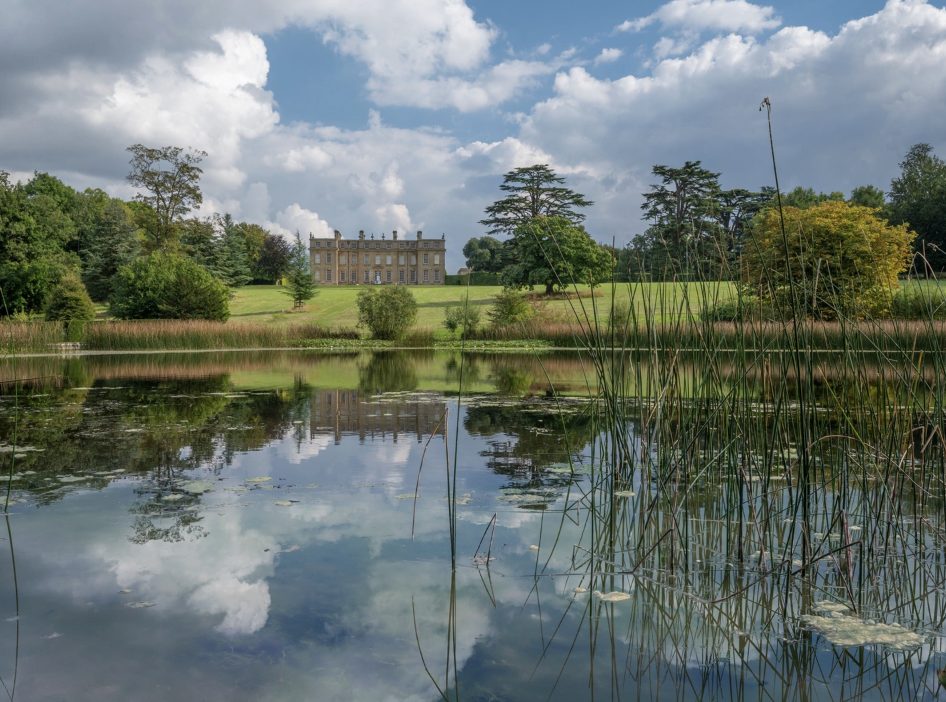
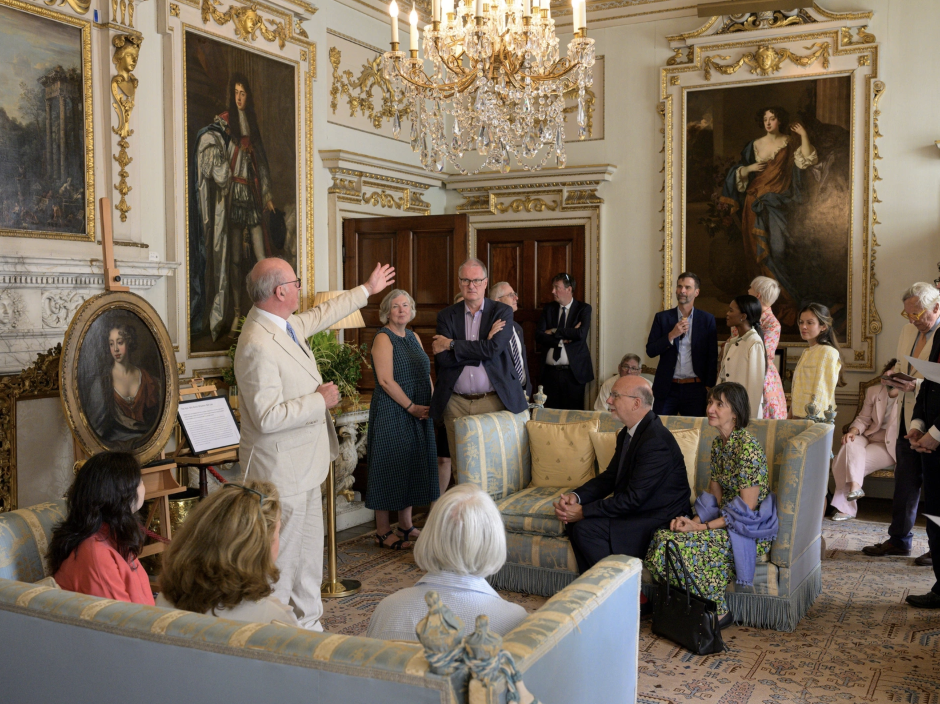
When his younger brother—my great-grandfather, Sir John Vernon Wills—inherited the title at just seventeen, he could have retreated into grief and privilege. Instead, he spent fifty years in public service. Lord-Lieutenant of Avon. Chairman of Wessex Water Authority. A life dedicated to the region that had given his family everything. Our greatest losses can become our most enduring acts of service.
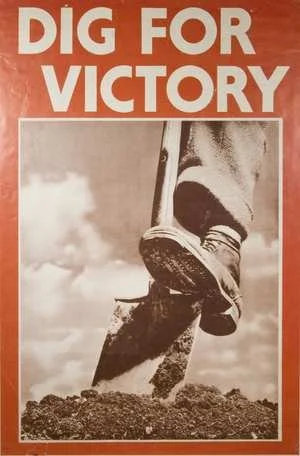
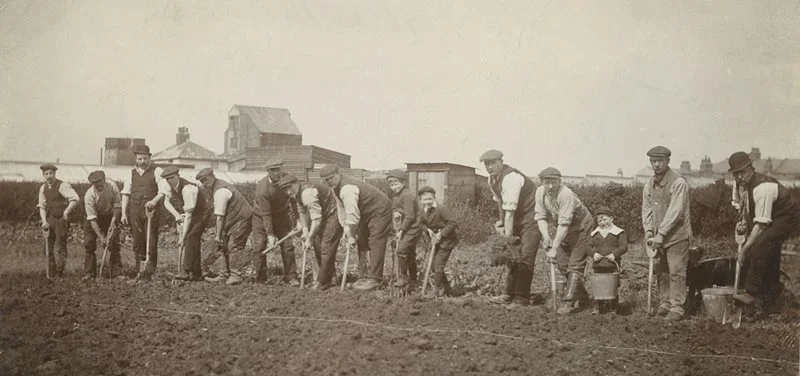
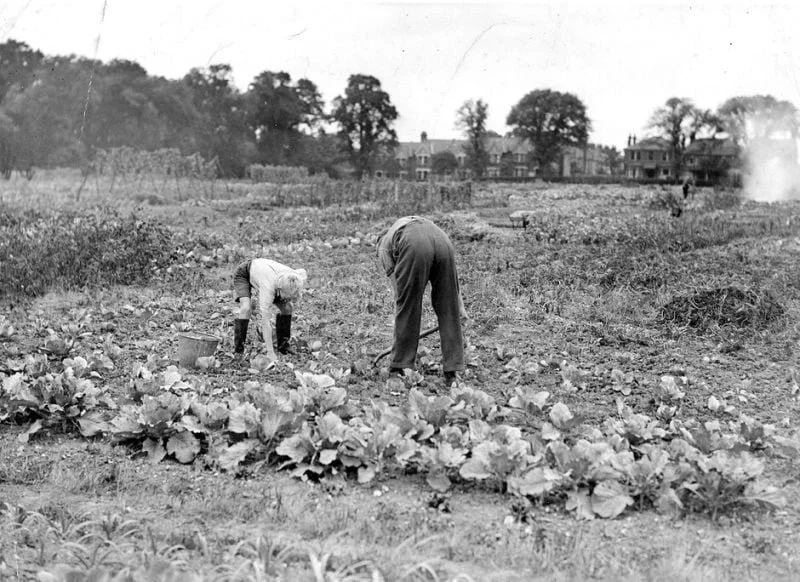
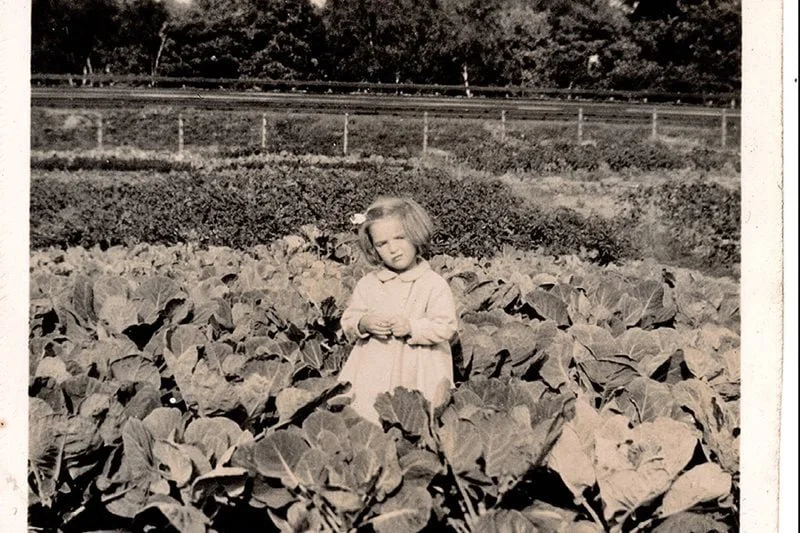
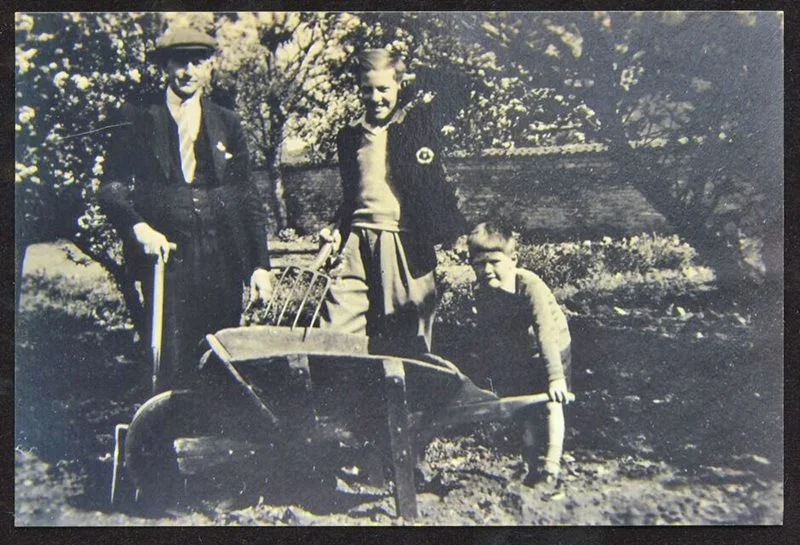
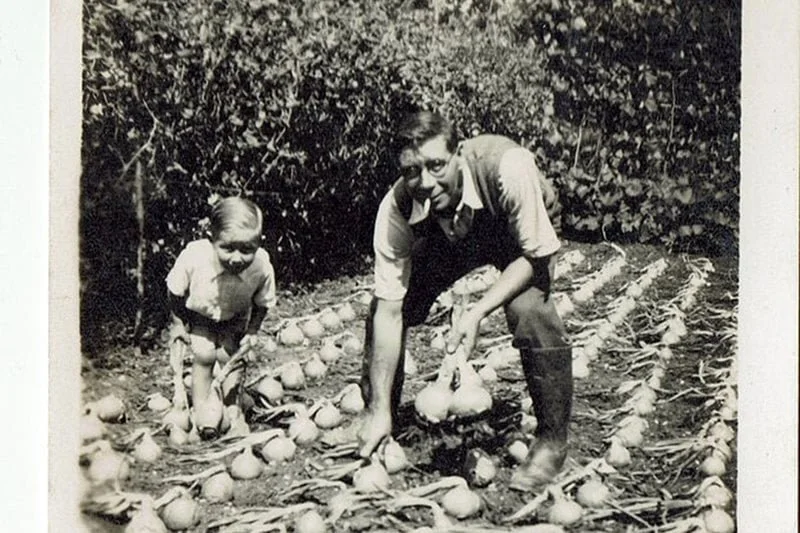
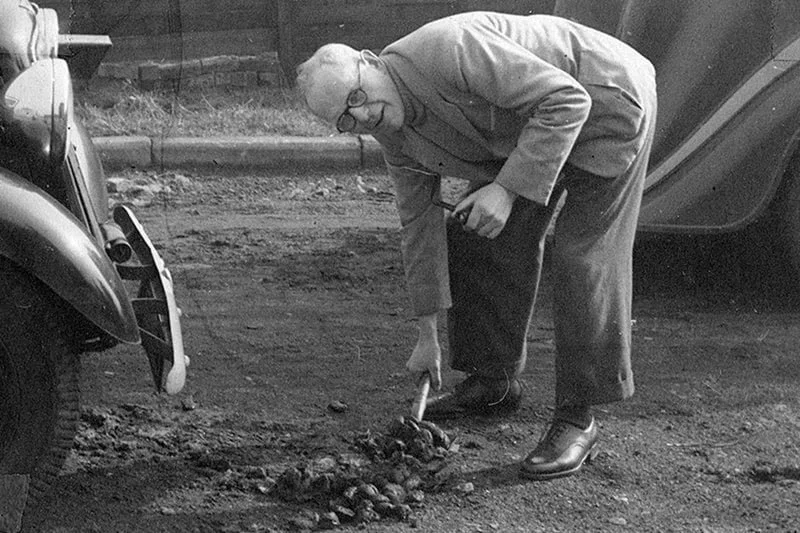
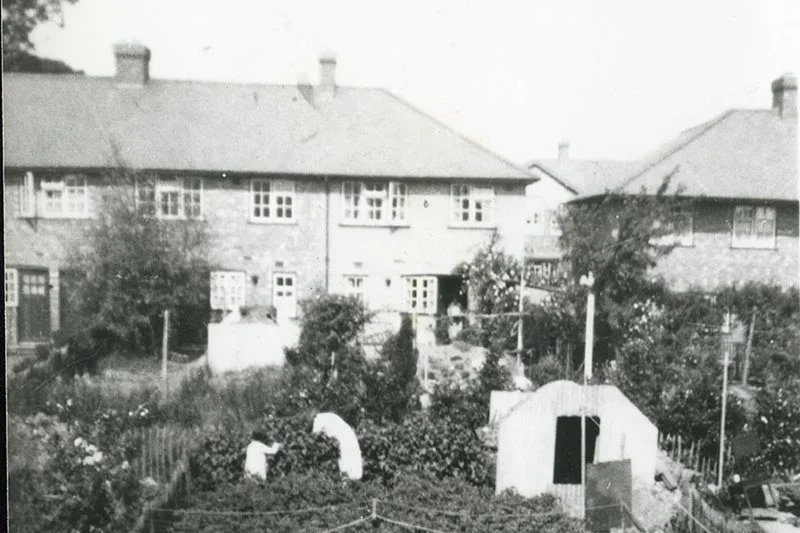
My grandfather was born with polio during rationing. Every reason to accept limitations. Instead, he dug his hands into soil and made things grow. He built a market garden and taught me the most subversive truth I know: beauty and abundance can emerge from the hardest ground, if you're willing to tend it.
My father learned this the brutal way. The city job was lost. The business that failed. The house nearly lost—bailiffs at the door, friends and family owed money, my mother ready to return to Italy. I watched a man I loved nearly disappear into bottles and the poison of easy answers.
My sister and I weren't heroes. We just decided our family's story wouldn't end in bankruptcy and divorce and rage. We paid the bailiffs. Covered the loans to friends and family. Paid off the mortgage before the house could be taken. Stopped my father from becoming an alcoholic Trump supporter. Kept our family intact. We chose agency over inevitability.
I wasn't the promising child. But I read Richard Branson's autobiography and learned that the moment when others are paralyzed by fear is precisely when you can move.
So I moved. I organized the first generative AI conference in London. I lived in Brazil, learning Portuguese while working. I kept moving.
And then I stopped and looked around. London—once a cathedral of innovation—was hollowing out. Startups acquired. Talent recruited. Vibrancy extracted. We were selling not just our companies, but our capacity to imagine our own future.
What happened to my family—that moment when external forces threaten to take everything—was happening to my country. To nations worldwide who woke up and discovered they'd become digital colonies.
So I chose to stand up. Not with nationalism, but with principle. For the idea that technology sovereignty isn't about building walls, but building capacity. Ensuring our children inherit not just devices, but the ability to make them.
Here's what I know about the people in this room:
You have no idea what they're carrying. The diagnosis. The failing business. The ending relationship. The shame. The exhaustion of pretending everything is fine.
But every person here has made a hundred invisible choices to be here. To try again. To not give up yet. They've survived things you can't see.
The inheritance we've received—from great-great-uncles who gave their lives at twenty-three, from great-grandfathers who turned grief into fifty years of service, from grandfathers who made gardens in ruins, from parents who stumbled and got back up—isn't money or status.
It's the stubborn, magnificent insistence that we are not powerless.
That when the world says "this is how it has to be," we're allowed to say "not for us."
Sir George didn't come home. But his brother built a legacy of service that outlasted war.
My grandfather couldn't cure his polio. But he fed people anyway.
My father lost almost everything. But he didn't lose himself—because we didn't let him.
I can't single-handedly reverse technological dependency. But I can build alternatives. I can organize. I can refuse to accept that the future just happens to us.
And you—whatever you're facing—you can do the same.
Not because it's easy. But because we are descendants of people who chose resilience when resignation would have been simpler.
Look to the person on your left. On your right.
You don't know their pain. But you can choose to be part of their resilience.
The greatest gift you can give someone who's struggling is proof that struggle isn't the end of the story.
This is the work. Not conquering. Not dominating. The work is choosing, again and again, to tend the garden. To build the foundation. To stand up when standing up matters.
The work is remembering that we inherit not just history, but the capacity to make it.
And then going out and proving it.